Sample edition. This is what a month of your saved links turns into. The stories here were written for the sample.

Start your own
FlipNo. 1 · October 2026

The Slow Attention Edition

This month circles one idea from several directions: that attention is something you tend, not something you spend. A lighthouse keeper's logbook, a forest planted for readers two centuries away, the case for blank walls, and a night walk through a familiar street.

Inside · Ideas · Science · Design · Travel

7 stories · about 20 min

Ideas

The Keeper's Logbook

Ines Okafor · Margins Quarterly · 4 min read
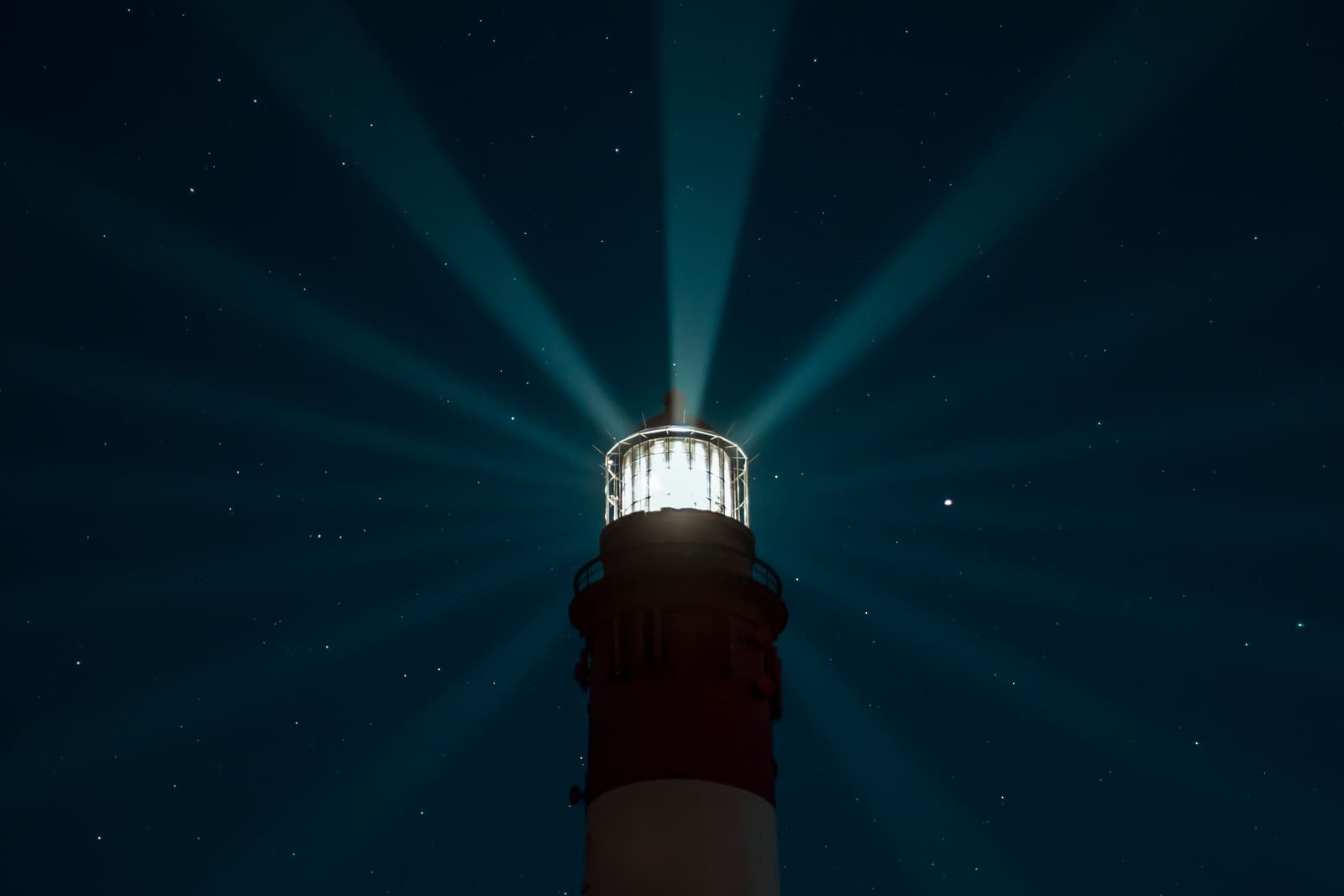
The logbook is bound in green cloth gone soft at the corners. For thirty-one years, a keeper on a rock four miles off the coast wrote three lines in it every night: the weather at dusk, the state of the lamp, and one thing he had noticed. Not one thing that happened. One thing he noticed.

Most entries are small. Gannets working the tide line. Fog came in from the south, which it rarely does. The new wick smokes less. Read in a run, they become something else: a record of a mind that had trained itself to look.

Attention as a habit

We tend to talk about attention as a resource, something we spend and run short of. The keeper treated it as a practice. Three lines, every night, no matter how little had happened. The point was never the entry. The point was the looking that had to come before it.

There is a version of this available to anyone. It is not a meditation app or a productivity system. It is just a small, fixed appointment with the world, kept often enough that you start arriving at it already paying attention.

The last entry in the book is from a calm night in late autumn. Lamp clean. Wind light, westerly. Saw the lights of the town come on one by one, and thought how many people were looking out.
Why Your Read-Later List Never Gets Read

Theo Marsh · The Long Field · 3 min read

Every read-later app makes the same promise: save it now, read it when you have time. And every one of them quietly becomes a graveyard. The list grows, the guilt grows with it, and eventually you stop opening the app at all.

The trouble is not discipline. It is that saving a link gives you most of the satisfaction of reading it. The small reward arrives at the moment you tap save, so the actual reading has to compete with a feeling you have already had.

What actually works

Two things change the picture. The first is a deadline: a list that ends, on a day you know is coming, behaves differently from one that never does. The second is a shape. Forty links in a column are a chore. The same forty pieces, sorted into sections with a cover and a contents page, are a magazine, and a magazine is something you sit down with.

Neither idea is new. Newspapers have worked this way for three hundred years. We just forgot to bring it with us.

Science

The Forest That Plans in Centuries

Priya Raman · Field Notes Weekly · 5 min read

The oaks being planted on the hillside this autumn will be ready to fell in about two hundred years. Nobody planting them will see it. Nobody those people know will see it either. The foresters know this, and they plant with a care that looks almost absurd until you understand who it is for.

Each stand comes with a plan: which trees to thin in forty years, which to leave, what the soil was like the year they went in. The plan is written for people who have not been born, in a language that might have drifted by the time they read it.

Writing for a reader you'll never meet

One forester described it as leaving a letter in a very slow post. You write clearly because you cannot be asked what you meant. You note what surprised you, because surprises are what a future reader needs most and what a present one forgets first.

There is a lesson in it for the rest of us, who mostly write for readers we will meet within the hour. The best notes we keep, about our work or our lives, are the ones written as if someone patient and curious will find them much later. Often, that reader turns out to be us.

On the hillside, the saplings are knee high and staked against the deer. In two centuries they will be the forest someone walks through without thinking about it at all. That, the foresters say, is the point.

Video

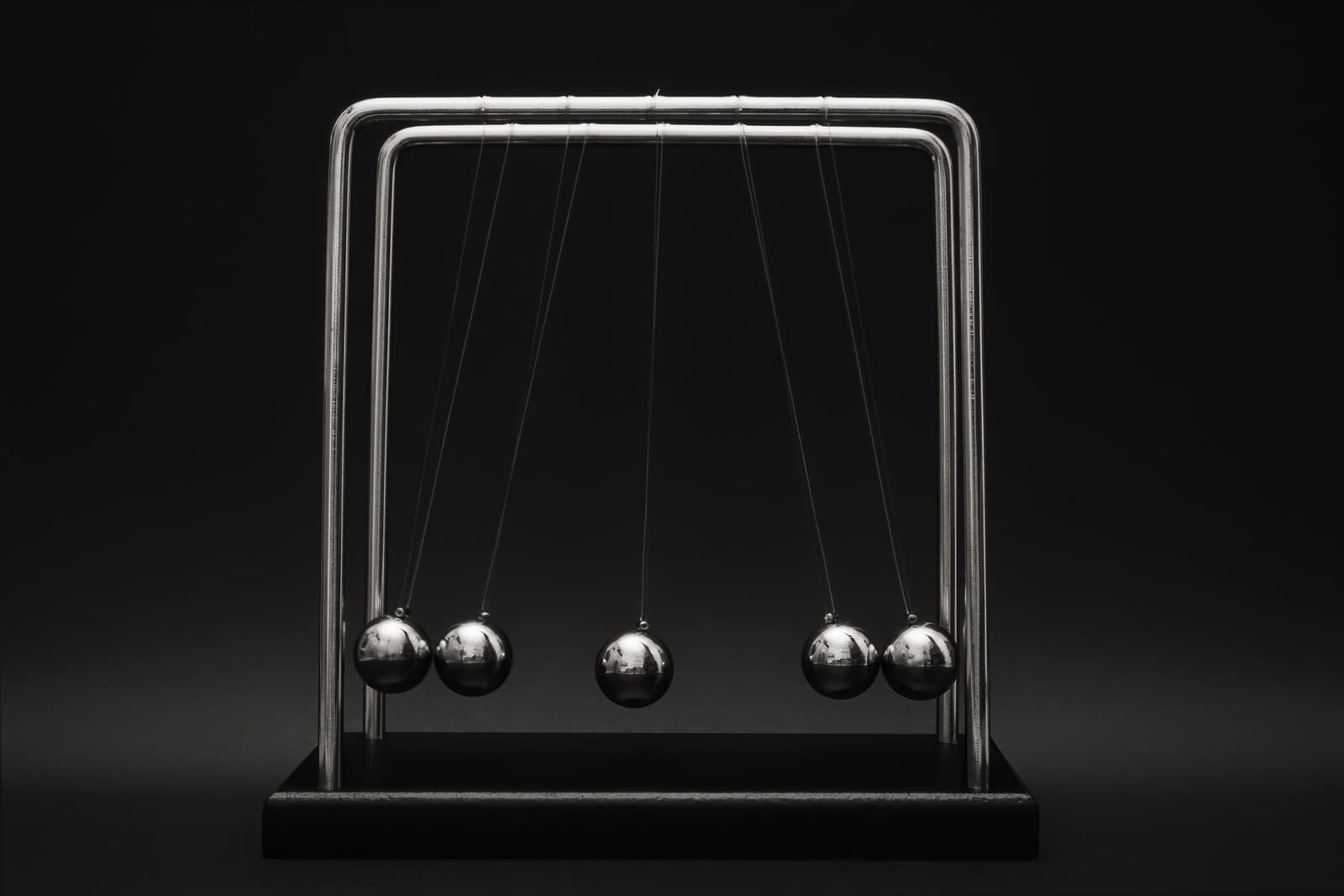
What a Newton's Cradle Is Really Showing You

Small Physics · Video · 2 min read

A slow-motion look at the desk toy everyone knows: why exactly one ball swings out, what that says about momentum and energy, and why the effect fades a little with every click.

Design

In Praise of the Blank Wall

Lena Duarte · Plain Shapes · 3 min read

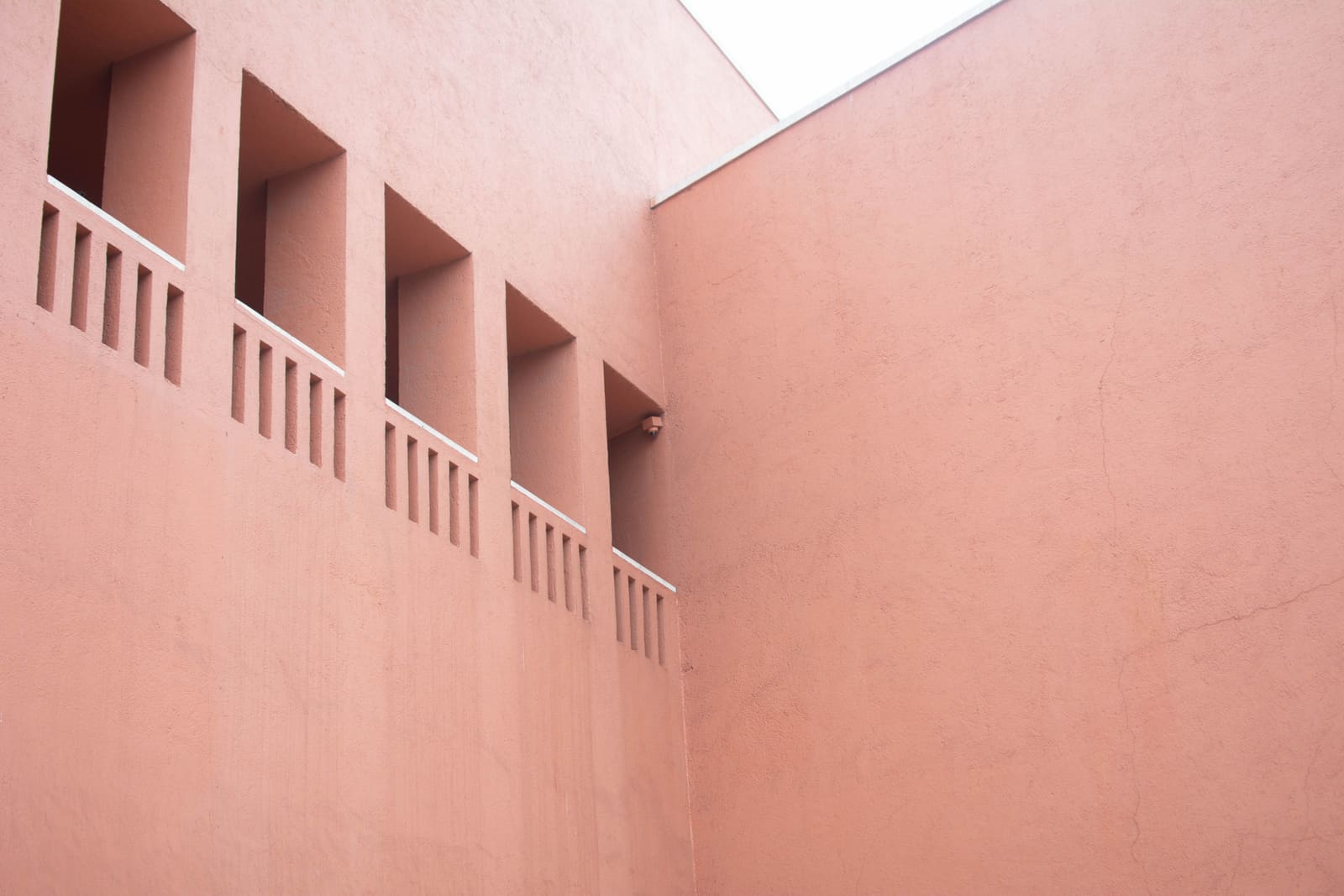
The most expensive thing in a good building is often the wall with nothing on it. Architects fight for it. Clients ask, every time, whether something could go there. The answer, from anyone who has lived with a room for long, is usually no.

A blank wall does work. It lets the window next to it be a window. It gives the eye somewhere to land between the things that ask to be looked at. Take it away and every object in the room gets a little louder and a little less interesting.

Pages are the same. So are screens. The margin around this paragraph is not decoration. It is the reason you can read it.

Travel

Walking Home at Night

Kenji Arai · The Wander Desk · 3 min read

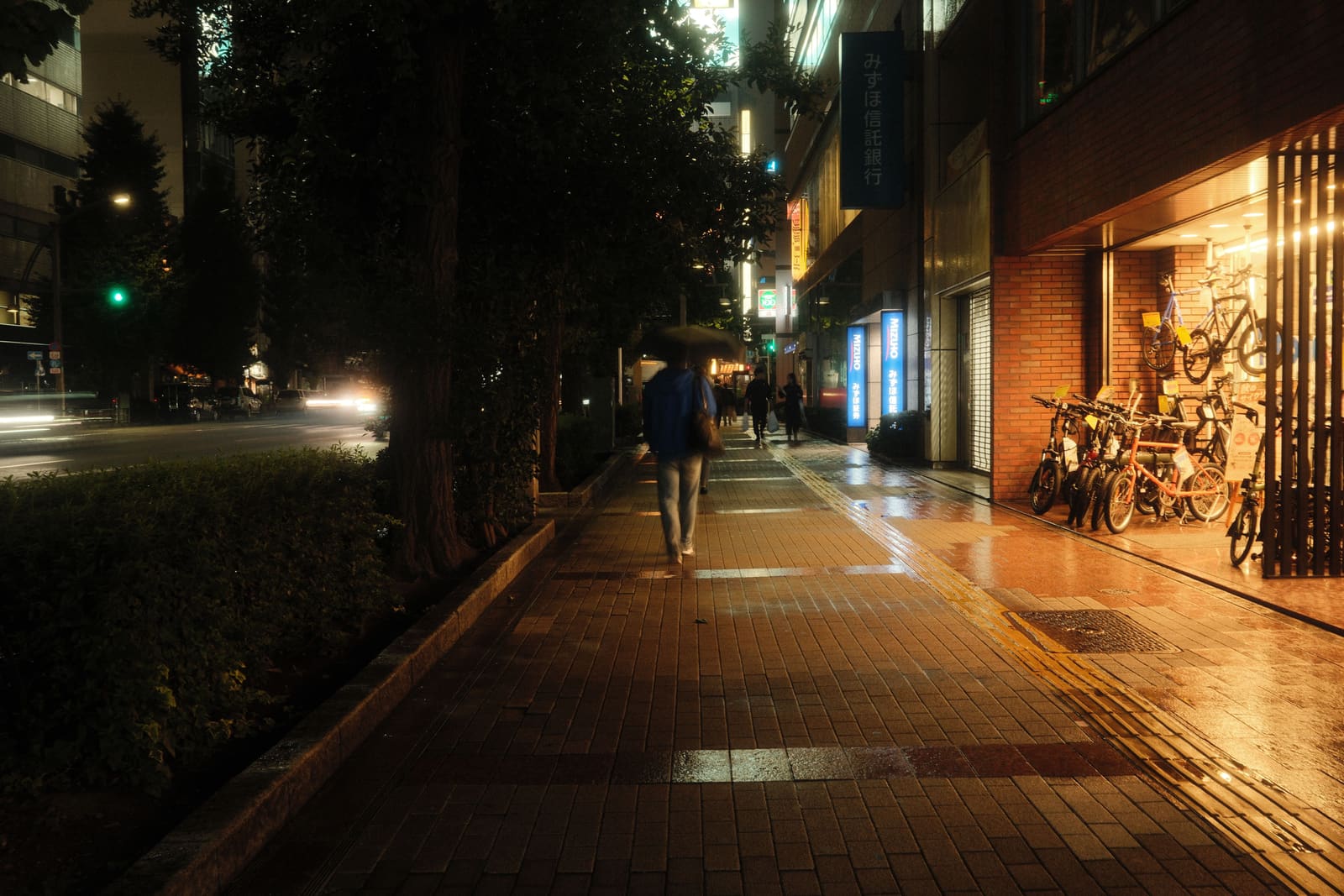
I have walked the same route home for six years, and I only learned it properly when I started doing it after midnight. By day it is a corridor between places. By night it becomes a place of its own.

The shutters are down and the signs are off, so you notice the buildings themselves: a carved lintel, a balcony full of plants, one lit window on the fourth floor where someone is also awake. The noise drops low enough to hear the street's own sounds, a vending machine humming, a bicycle chain ticking past.

You do not need to travel far to see somewhere new. Sometimes you only need to go at a different hour.

↑ Back to contents

Your turn

Your saved links could look like this by the end of the month.

Free while in beta. No password, no app to install.

Start your first edition